Project Summary
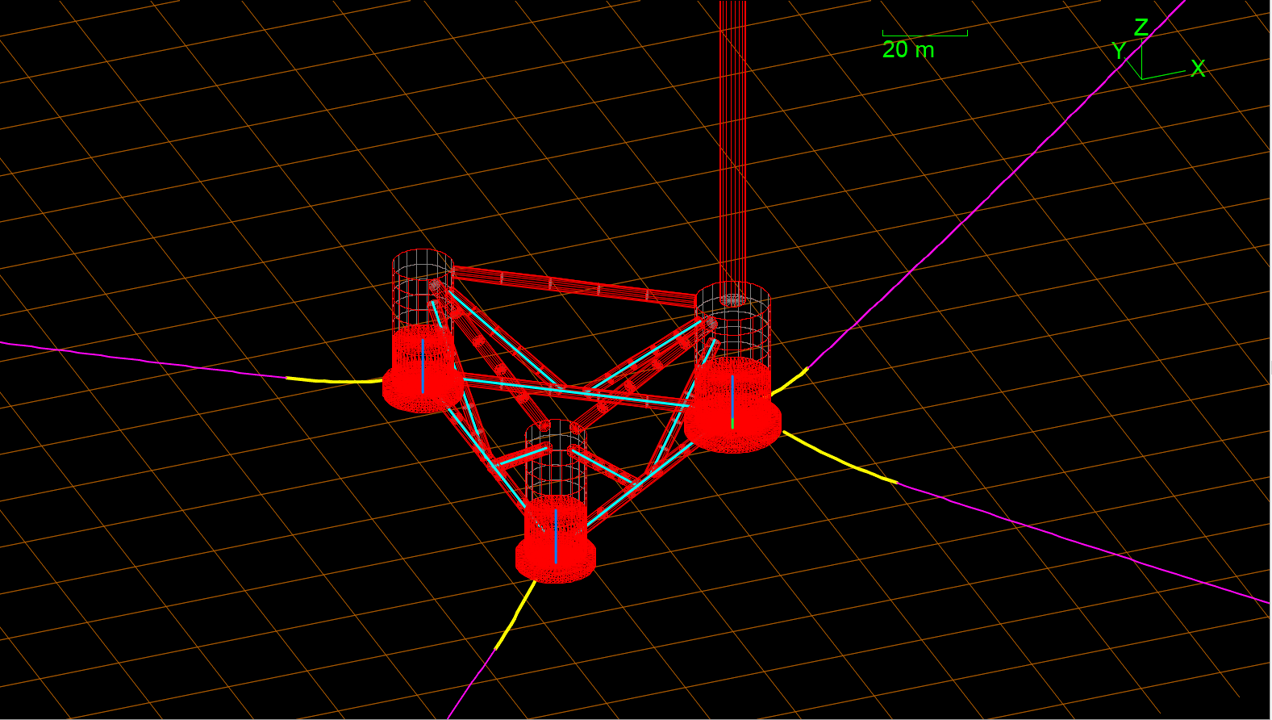
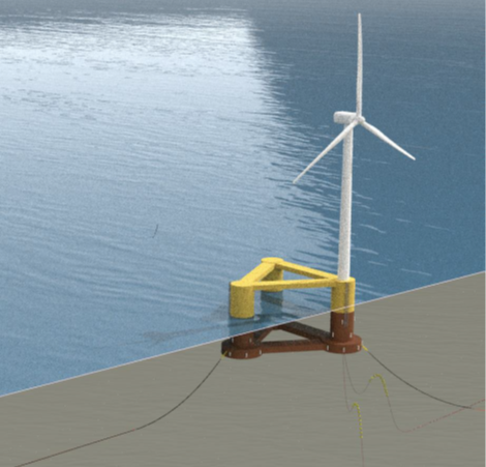
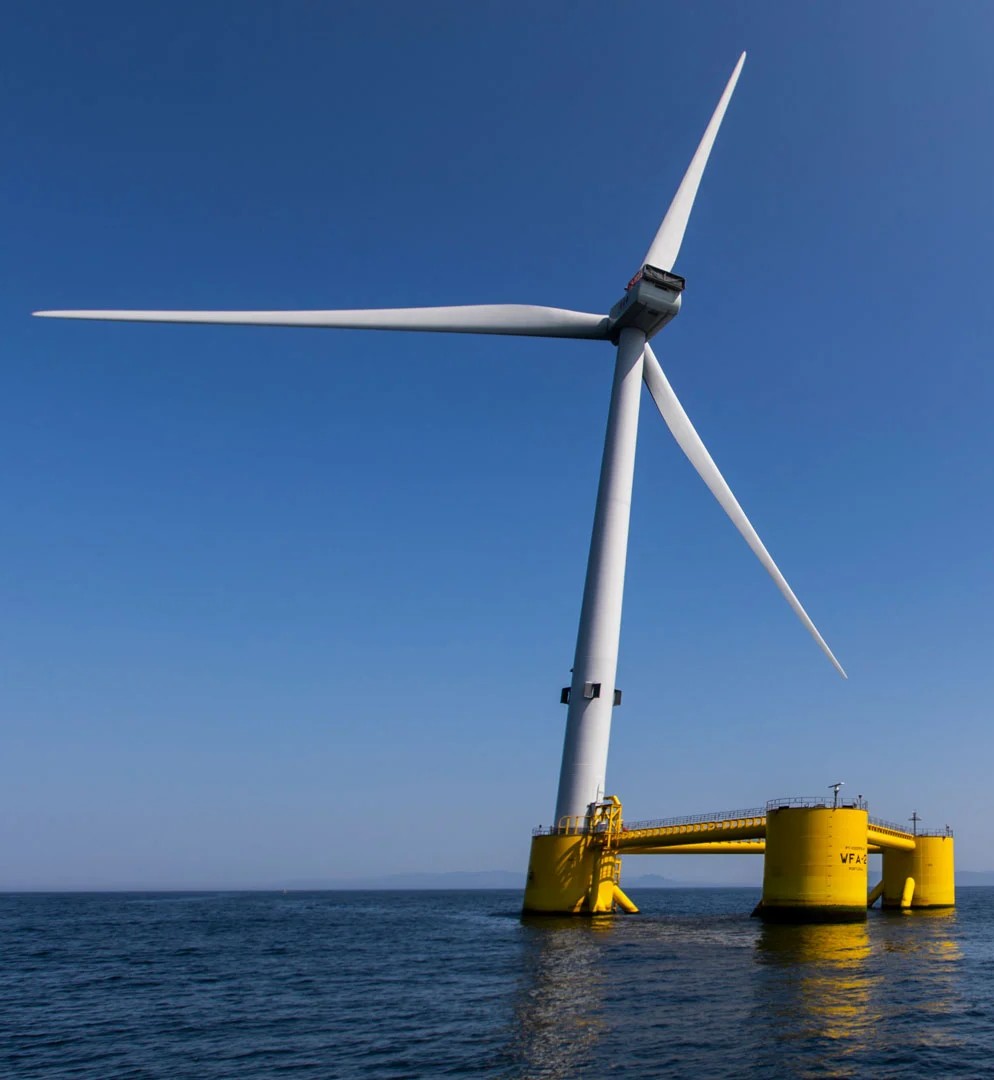
TADEK delivered concept design and optimisation of hybrid mooring systems for floating offshore wind, integrating dynamic simulation with cost and installation modelling to evaluate fibre rope solutions across varying water depths and conditions and support Vattenfall’s early-stage decision-making for floating wind deployment.
The Challenge
Mooring systems for floating wind turbines in shallow water depth present several challenges:
- Catenary systems lead to very long heavy chains, increasing costs and complexities
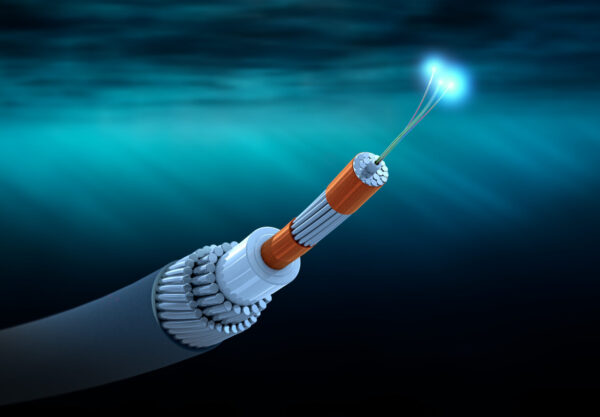
- Synthetic ropes allow more compliance but present risks of failure due to snatch loads and seabed contact in shallow water
- Hybrid systems induce large loads at the anchor impacting installation
- Failure of one single line causes excessive excursions with impact on the cable integrity
TADEK‘s Role
Acted as lead engineering partner, delivering integrated technical and commercial expertise across the project lifecycle:
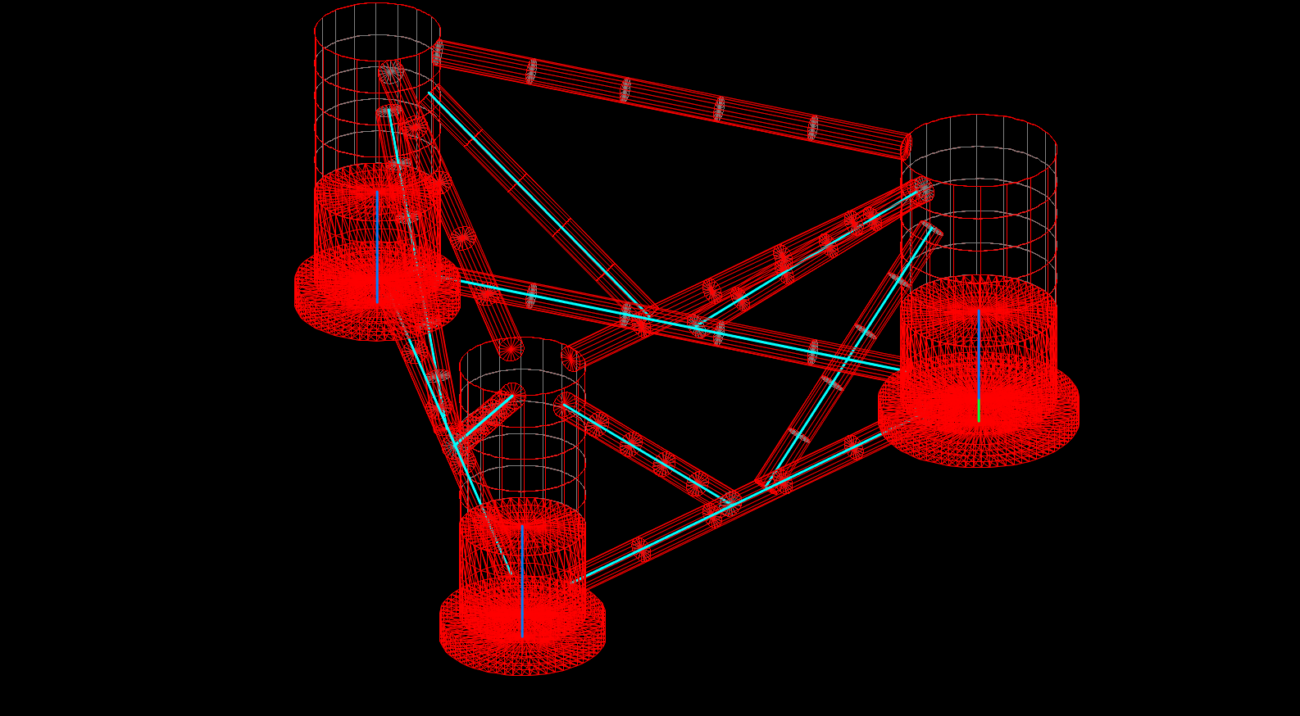
- Floater modelling and stability and dynamic performance validation
- Mooring system design and optimisation
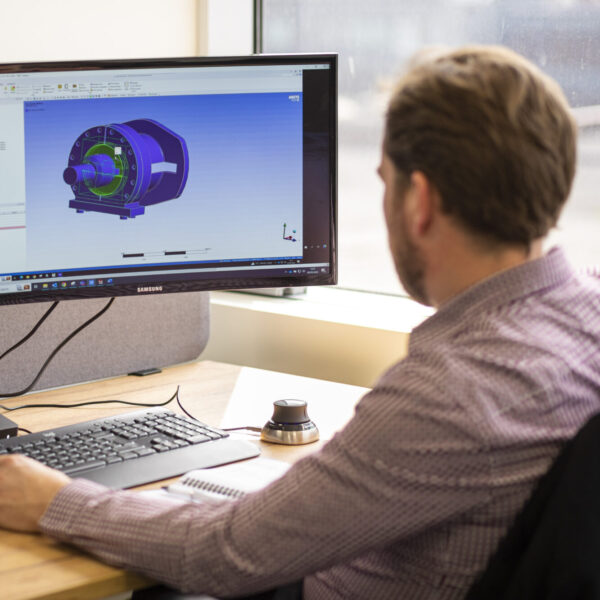
- Advanced dynamic simulation and analysis
- Cost modelling and installation assessment
- Full lifecycle overview from concept design through to installation planning
- Enabled Vattenfall’s early-stage decision-making for floating wind deployment
Our Approach
TADEK established a robust design and analysis process, which started from the critical review of the requirements and screening of alternative solutions using first principles and preliminary analysis tools:
- Four configurations developed (70m/120m, nylon vs polyester)
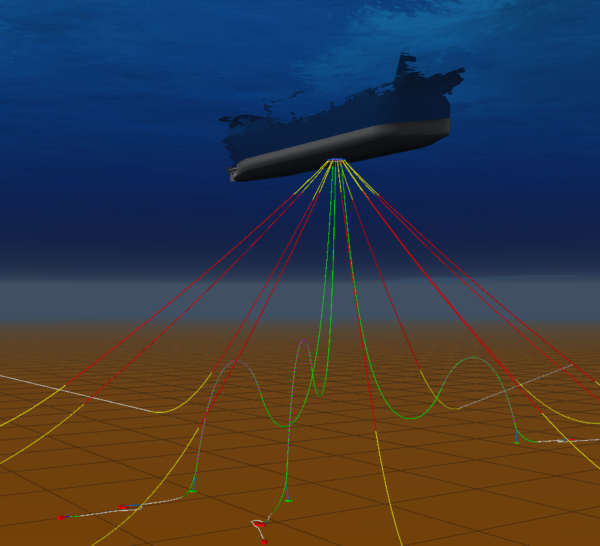
- Semi-taut chain–rope–buoy architecture
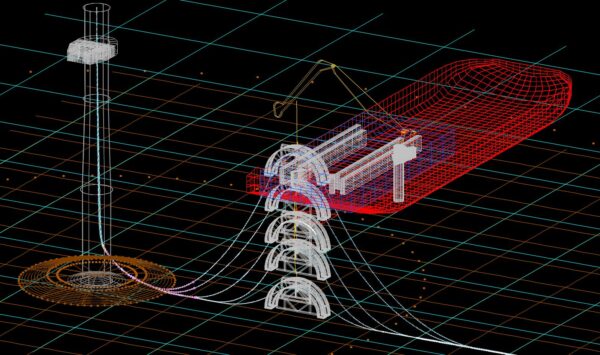
- Frequency-domain screening and time-domain analysis (OrcaFlex)
- Assessed extreme, operational, and failure load cases
- Integrated cost, installation, and risk considerations
- Identified optimisation via anchor strategy and material selection
Outcomes
- Delivered fully compliant mooring designs across all configurations
- Demonstrated viability of hybrid mooring systems for floating wind, satisfying all Class criteria
- Explored the redundancy of the mooring system and the implication of failures in a 4-lines system
- Identified cost reduction opportunities (£700k–£1.7M per turbine)
- Presented trade-offs between nylon vs polyester systems
- Highlighted installation risks and anchor strategy impacts on cost
- Enabled data-driven design decisions for future floating wind projects