Floating offshore wind is driving rapid evolution in mooring system design with synthetic ropes now at the centre of that shift. Based on recent project experience and industry engagement, the conclusion is clear: synthetic ropes are no longer an alternative – they are becoming the default. However, their adoption introduces new design, installation and operational challenges that the industry is still working through.
Why synthetic ropes are gaining traction?
Synthetic ropes are increasingly preferred for floating offshore wind turbine (FOWT) moorings, particularly in taut and semi-taut systems.
Compared to traditional catenary systems, they offer:
- Lower weight, reducing overall system loads
- Improved compliance and load response
- Strong durability in offshore conditions
- Potential cost advantages at scale
They also build on an established track record across offshore energy including deepwater production (polyester) and tanker mooring systems (nylon and HMPE).
Not all synthetic ropes behave the same
A common misconception is that synthetic ropes represent a single solution. In reality, material selection significantly influences system behaviour.
- HMPE → high strength, high stiffness, creep-sensitive
- Polyester → balanced stiffness, low creep, widely proven
- Nylon → high elongation, with long-term offshore performance still under evaluation
For example, nylon systems can reduce peak line tensions, but introduce operational complexity through elongation and the need for re-tensioning.
Design is only half the challenge
Most floating wind mooring systems adopt hybrid configurations, typically consisting of:
- Chain at the top (for adjustment and handling)
- Synthetic rope in the mid-section
- Chain or wire at the seabed interface
From a design standpoint, these systems are technically sound and capable of meeting ULS requirements.
However, installation and execution introduce additional complexity.
Installation is where risk really sits
In practice, synthetic mooring systems introduce sensitivities that are not always fully captured in early-stage design:
- Maintaining seabed clearance during pre-lay operations
- Managing elongation and re-tensioning (particularly for nylon and polyester systems)
- Handling tight tolerances (notably for HMPE twist behaviour)
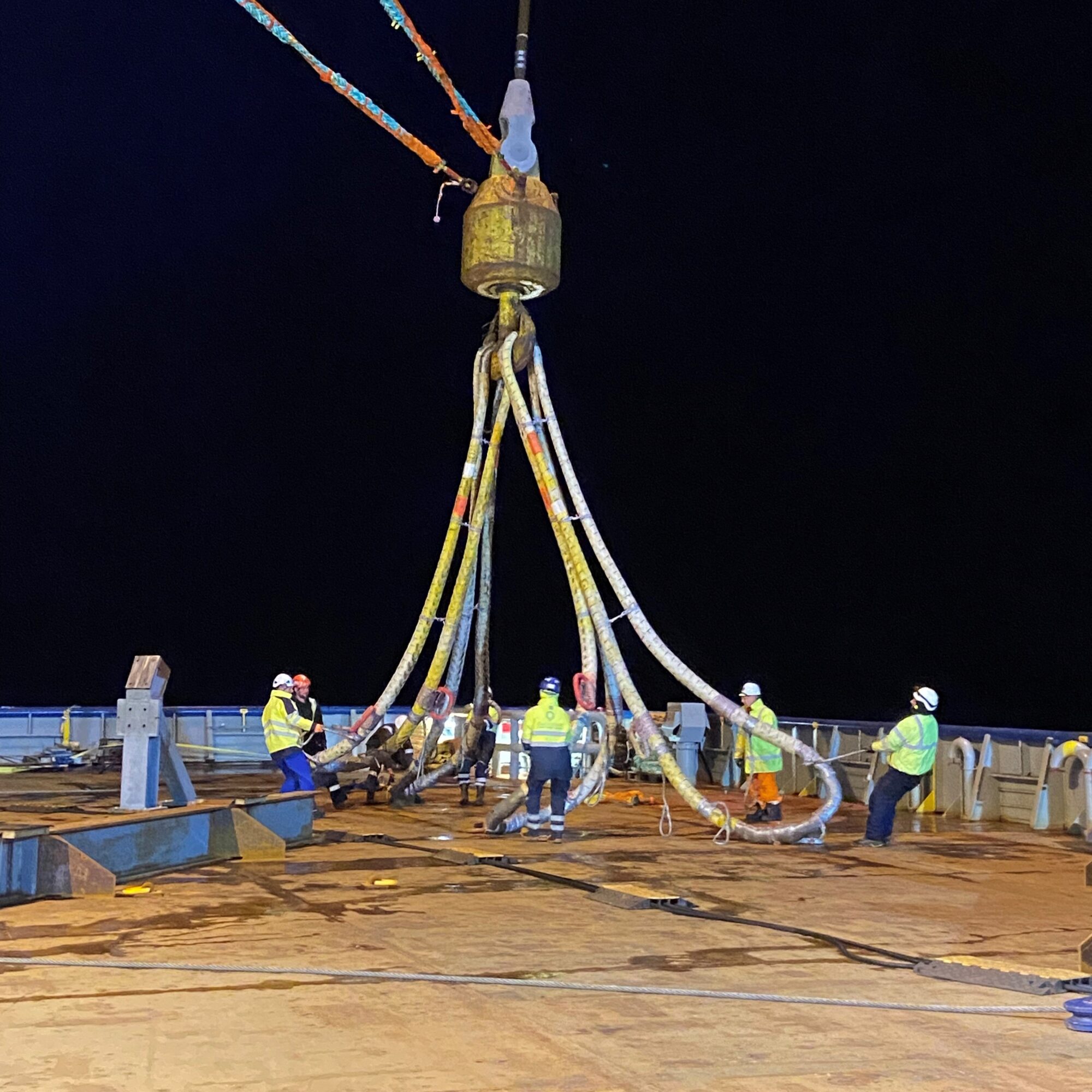
- Increased reliance on installation aids, buoyancy modules, and sequencing
Small design assumptions – such as ground chain length – can have significant offshore implications in terms of time, cost, and risk.
Case Study: floating wind deployment
On a recent floating wind project (~70m water depth), polyester and nylon configurations were assessed for a semi-submersible system.
Key observations included:
- Both materials satisfied design requirements
- Nylon reduced peak line tensions at similar pretension levels
- Installation complexity and system redundancy remained critical considerations
From an execution perspective, installation efficiency improved significantly with experience – highlighting the steep learning curve associated with floating wind deployment.
What the industry is still working out
While industry standards (DNV, ABS, BV) provide strong guidance, several areas continue to evolve:
- Long-term suitability of nylon for permanent moorings
- Best practices for creep monitoring and re-tensioning
- Reassessment of legacy assumptions (e.g. strict seabed clearance requirements)
- Integration of quick-connection and release systems
There is also a growing need to better align design assumptions with offshore execution realities — particularly for large-scale wind farm deployment.
Our perspective
Synthetic rope moorings are technically viable and already delivering strong performance in floating wind.
However, successful implementation depends on more than material selection:
- Design, installation, and operations must be considered as an integrated system
- Early-stage decisions can drive significant offshore risk
- Installation complexity remains underestimated across the industry
Bridging the gap between design and execution is critical to delivering reliable, cost-effective offshore solutions.
Floating wind presents a significant opportunity – but also demands a more integrated and execution-focused approach to engineering.
If you are working on synthetic mooring systems or facing similar challenges, we welcome the opportunity to share perspectives.
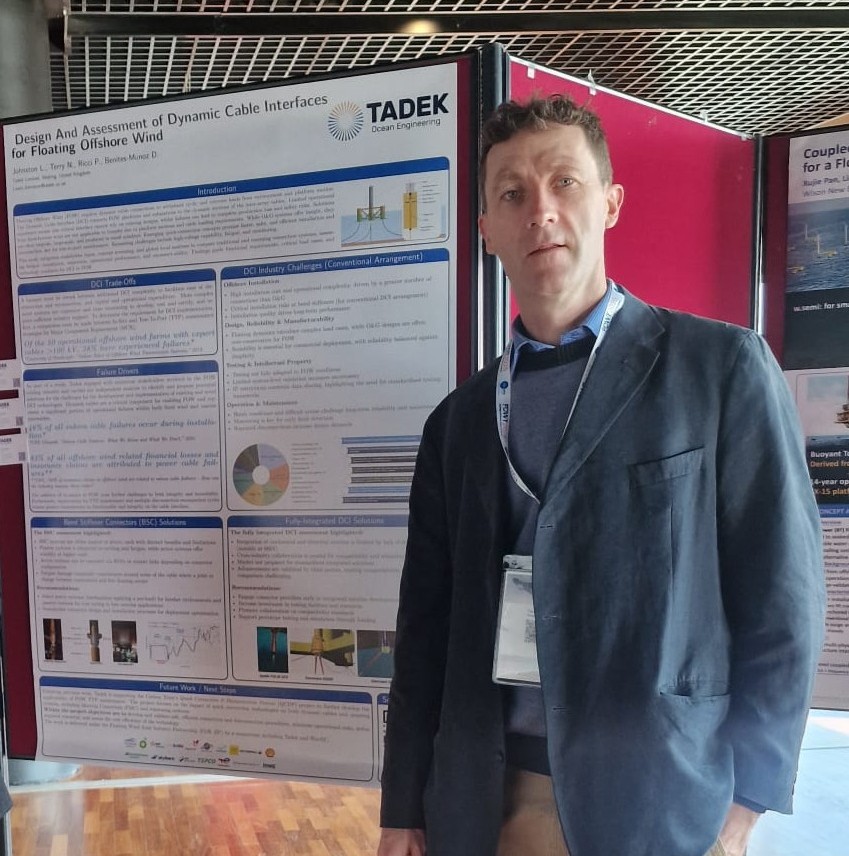
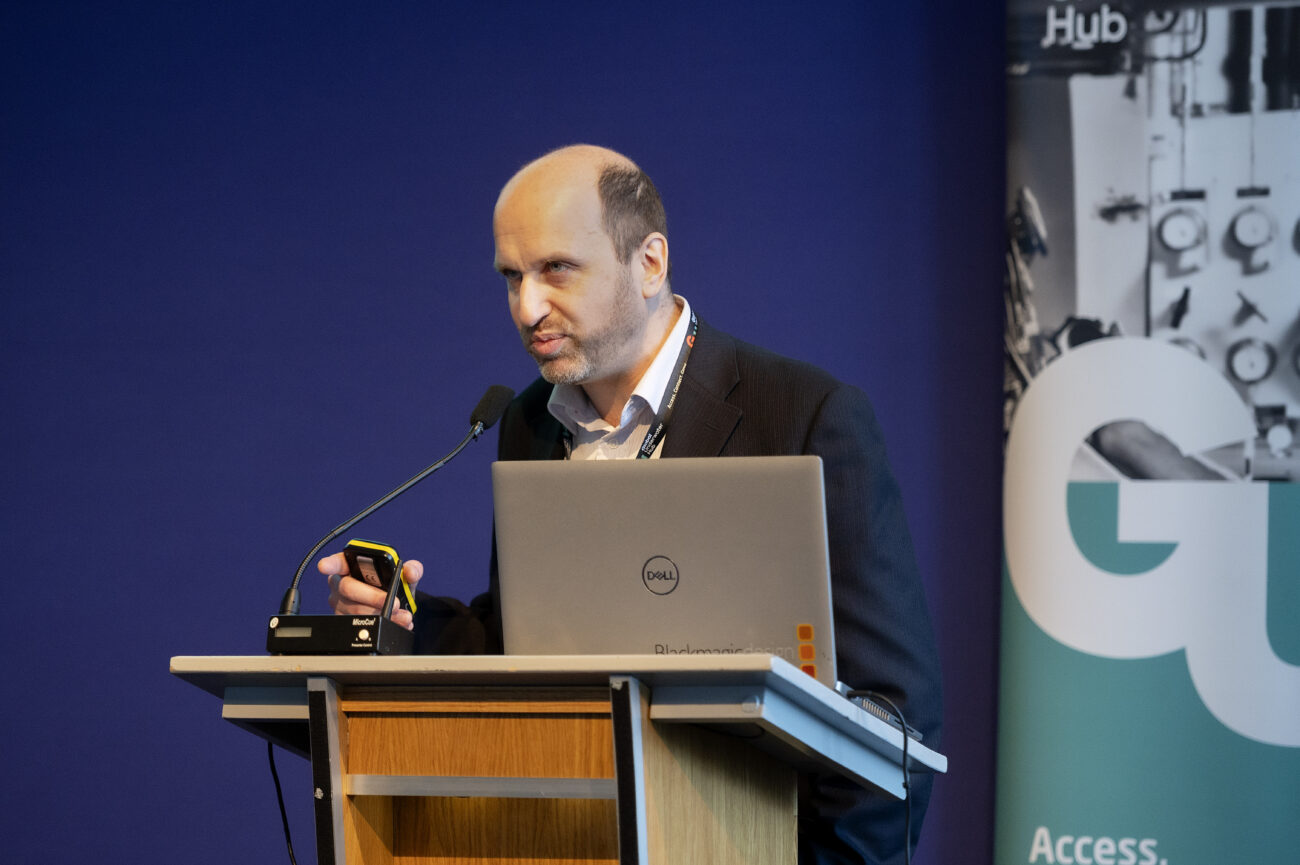
We shared our insights at the recent GUH Moorings and Anchors Conference & Workshop 2026.