Project Summary
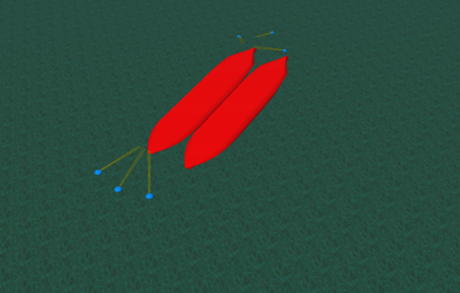
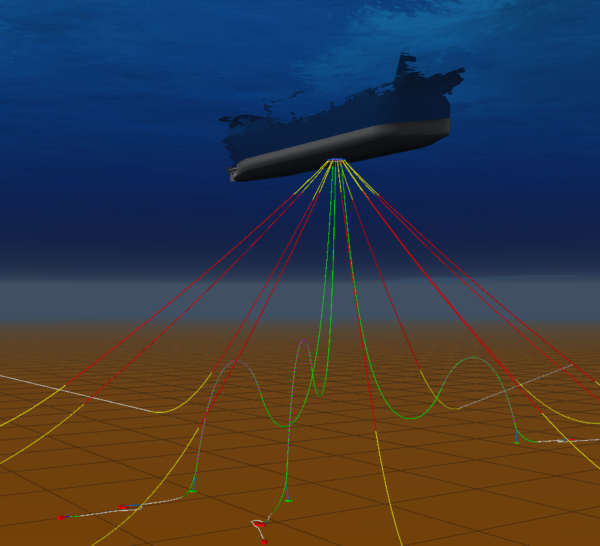
TADEK partnered with an important client to develop the concept design of an offshore LNG terminal for an undisclosed end client in Kamchatka, Russia. The project involved development of a multi-buoy mooring system to support Ship-To-Ship LNG transfer operations in a challenging Arctic environmental conditions.
The Challenge
TADEK were approached to perform an overall mooring concept and FEED study to develop the optimal design for a facility allowing the LNG transfers between two LNG carriers through STS transfer. The project required a mooring arrangement which:
- Addressed safety risks identified in the original design
- Limited vessel movement during STS operations
- Ensured high berth availability by managing extreme environmental and ice loading
- Met OCIMF, IACS, and SIGTTO requirements
TADEK‘s Role
Led the concept development and pre-FEED design of the terminal, acting as offshore and marine engineering consultant fully responsible for establishing the most appropriate design procedures, the assessment and validation criteria:
- Terminal moorings overview and conception
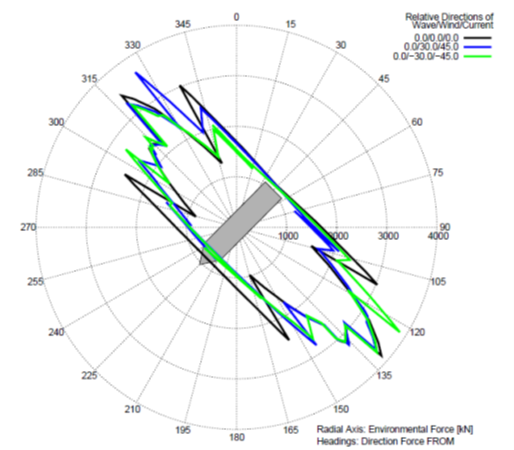
- Environmental and vessel load assessments
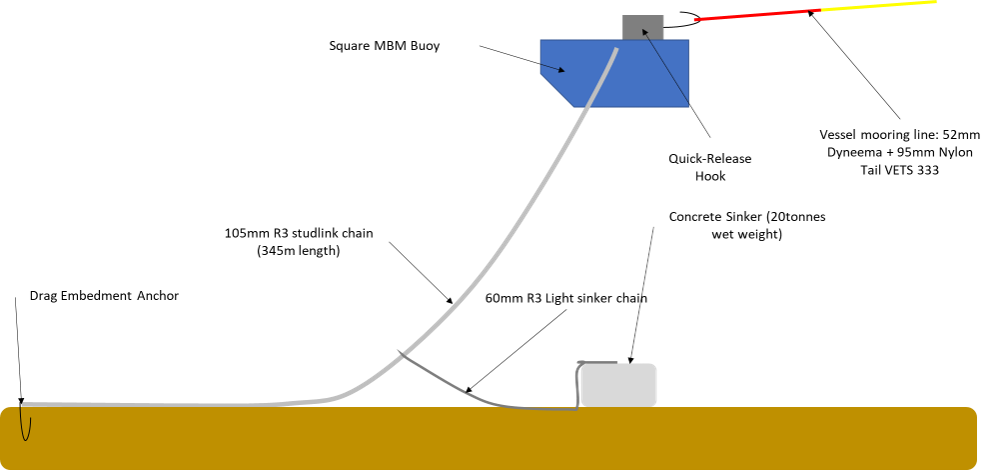
- MBM system concept development
- Buoy, chain, and anchor design
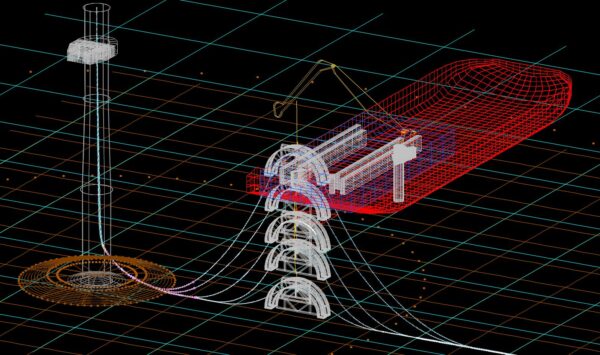
- Dynamic mooring analysis in OrcaFlex
- Operability and standards compliance verification
Our Approach
TADEK applied a holistic approach, bringing together client requirements, industry guidance and numerical analysis to develop the best solution. The project went through steps providing a clear decision-making process:
- Definition of design criteria and operational philosophy
- Screening and evaluation of alternative mooring configurations
- LNG carriers environmental loads and response analysis
- Design and development of bespoke square mooring buoy and mooring components
- Full dynamic simulation of operational and survival load cases
Outcomes
The study confirmed that a six-buoy MBM configuration could safely support LNG ship-to-ship transfer operations under the site’s environmental conditions by:
- Resolution of key safety and operability concerns
- Stable and standards-compliant system performance
- Verification of acceptable vessel excursions and mooring loads
- Specification of mooring buoys and components for easy procurement and practical assembly
- Progression toward FEED engineering with confidence